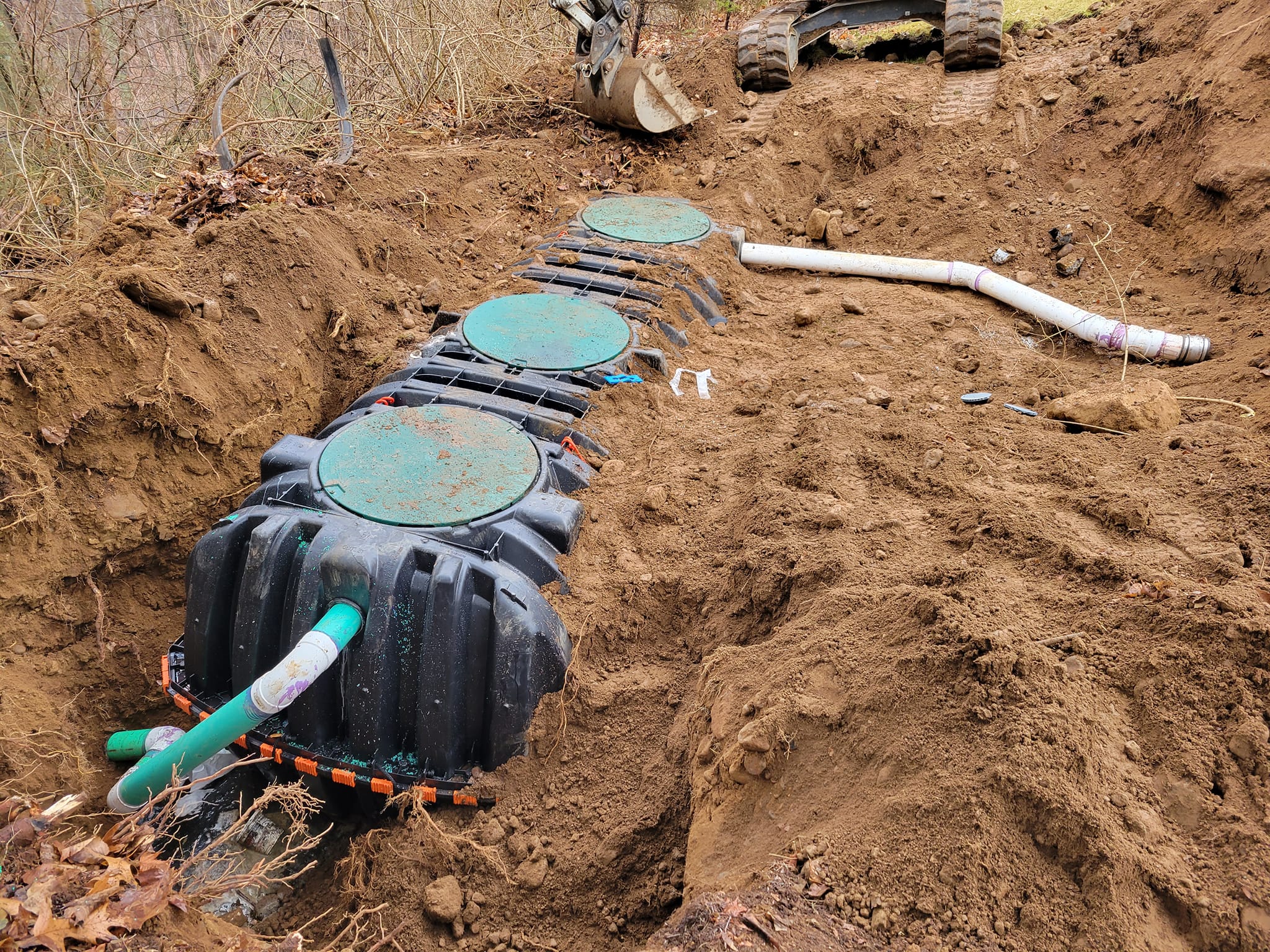
Challenges and Solutions: Excavating for Septic Systems in Waterlogged Areas Jul 01, 2026
Before delving into the challenges, it's important to recognize what constitutes a waterlogged area. These are regions where the soil retains excessive moisture, often due to a high water table or poor drainage. This environmental condition can impede the proper functioning of a septic system, potentially leading to costly repairs or failures.
One of the primary challenges of excavating for septic systems in waterlogged areas is ensuring proper drainage. Poor drainage can lead to septic system backup and groundwater contamination, presenting both environmental and health risks. To combat this, it is essential to conduct a detailed site evaluation during the planning stages. Excavation professionals must assess the soil type, water table level, and overall topography of the property to design a system that minimizes these risks.
Another significant challenge is the structural integrity of the excavation site. Waterlogged soil can be unstable, increasing the risk of cave-ins during the installation process. At Nick's Septic And Excavation, we implement strategies that reinforce the excavation site, such as using trench boxes and shoring, to ensure a safe working environment. Furthermore, planning around weather conditions can prevent unexpected issues that arise from excessive rainfall, which can further saturate the soil and complicate excavation efforts.
When installing a septic system in a waterlogged area, selecting the right type of system is crucial. Conventional septic systems may not perform efficiently under these conditions. Instead, systems such as aerobic treatment units (ATUs) or mound systems can be more appropriate, as they are designed to function optimally in soil with high moisture content. These systems promote better waste processing and reduce the likelihood of malfunction.
To address water saturation, advanced drainage techniques can be employed. Installation of French drains or curtain drains can redirect water away from the septic field, enhancing the soil’s capacity to absorb effluent. Additionally, regularly scheduled maintenance checks can identify potential issues early, preventing system failure and ensuring long-term performance.
Lastly, community awareness and compliance with local regulations cannot be overstated. Many jurisdictions have specific codes and standards for installing septic systems in waterlogged areas. Adhering to these guidelines not only ensures legal compliance but also promotes system longevity and environmental safety. Consulting with professionals who are familiar with regional regulations, like those at Nick's Septic And Excavation, can streamline the process and lead to a successful installation.
In conclusion, while the challenges of excavating for septic systems in waterlogged areas are considerable, they are certainly not insurmountable. Thorough site evaluations, careful planning, employing advanced drainage solutions, and selecting appropriate septic systems are keys to overcoming these hurdles. At Nick's Septic And Excavation, we pride ourselves on our expertise and commitment to providing tailored solutions that ensure both the effectiveness and longevity of your septic system. Let us help you transform these challenges into opportunities for a robust and sustainable septic solution.
/filters:no_upscale()/filters:format(webp)/media/e491f599-15bf-420d-820c-7c0945153d7c.jpeg)
/filters:no_upscale()/filters:format(webp)/media/a4d2e976-c622-4855-a451-35191e78c30d.jpeg)