Guarding Your Groundwater: Best Practices in Septic System Placement and Management Feb 28, 2026
Understanding Your Septic System
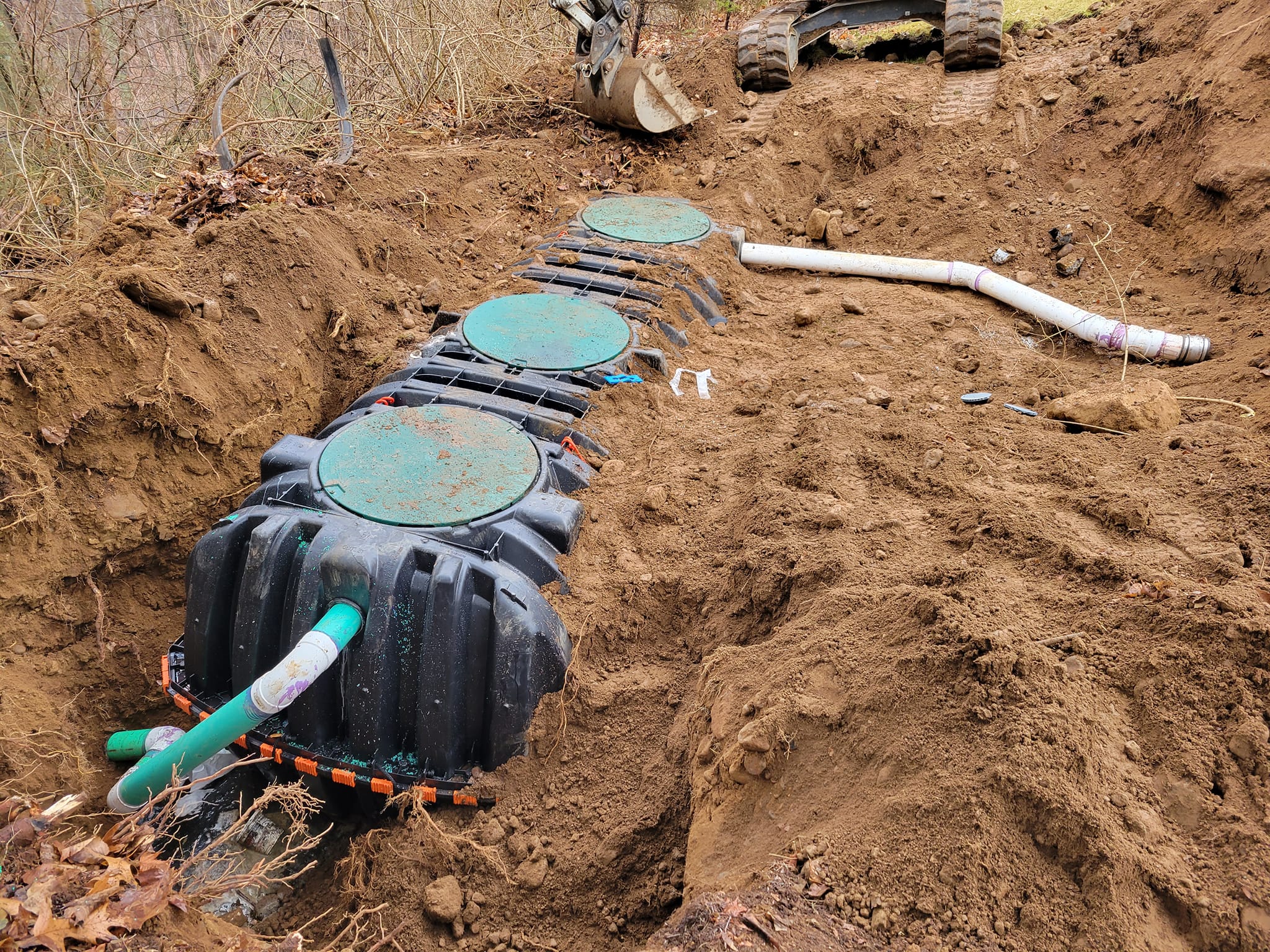
A septic system typically consists of a septic tank and a drain field. Wastewater from your home flows into the tank, where solids settle at the bottom, forming sludge, while oils and grease float to the top as scum. The middle layer of clarified water flows out into the drain field, where natural filtration occurs through soil to eliminate harmful pathogens, making system location and soil type integral to effectiveness.
Best Practices in Septic System Placement
Proper septic system placement is the first line of defense in protecting groundwater. When planning, consider the following:
1. Location: Ensure the septic system is situated at a safe distance from wells, lakes, streams, and other water bodies to prevent contamination. Local regulations often outline minimum setback distances—typically at least 50 feet from water sources.
2. Soil Evaluation: Conduct a percolation test to determine the soil's absorption and drainage capabilities. Well-drained soils, such as sandy or loamy soils, are preferable as they enhance the natural filtration process, whereas clay or rocky soil may require alternative solutions or additional treatment.
3. Slope Consideration: Avoid placing the septic system downslope from your home or water bodies to prevent effluent backflow or groundwater contamination. A gently sloping terrain promotes proper drainage without the risk of pooling wastewater.
Septic System Management Tips
Once the septic system is properly installed, regular maintenance is crucial to ensure its optimal functioning. Follow these management tips for continued groundwater protection:
1. Regular Inspections: Schedule regular inspections with professionals like Nick’s Septic and Excavation to assess the tank’s condition, check for leaks, and monitor sludge levels, typically every three to five years.
2. Pumping: Regularly pump out the septic tank to prevent overflow and system failure. Overflows can lead to untreated sewage reaching the drain field or backing up into your home.
3. Responsible Usage: Be mindful of what goes into your septic system. Avoid flushing non-biodegradable items, chemicals, or excessive grease, all of which can clog the system and reduce bacterial activity crucial for waste breakdown.
4. Water Conservation: Minimizing water use reduces the burden on the septic system, preventing overload. Simple practices such as fixing leaks promptly, using high-efficiency fixtures, and spacing out laundry loads can make a significant difference.
Conclusion
Protecting your groundwater with a well-placed and managed septic system preserves your health and the environment. At Nick's Septic and Excavation, we are committed to providing expert guidance and services, ensuring that your septic system remains efficient and environmentally sound. Whether you're installing a new system or need advising on maintenance, keeping these best practices in mind will help safeguard your water source for years to come. Let’s work together to guard our groundwater and promote sustainable water management.
/filters:no_upscale()/filters:format(webp)/media/e491f599-15bf-420d-820c-7c0945153d7c.jpeg)
/filters:no_upscale()/filters:format(webp)/media/a4d2e976-c622-4855-a451-35191e78c30d.jpeg)