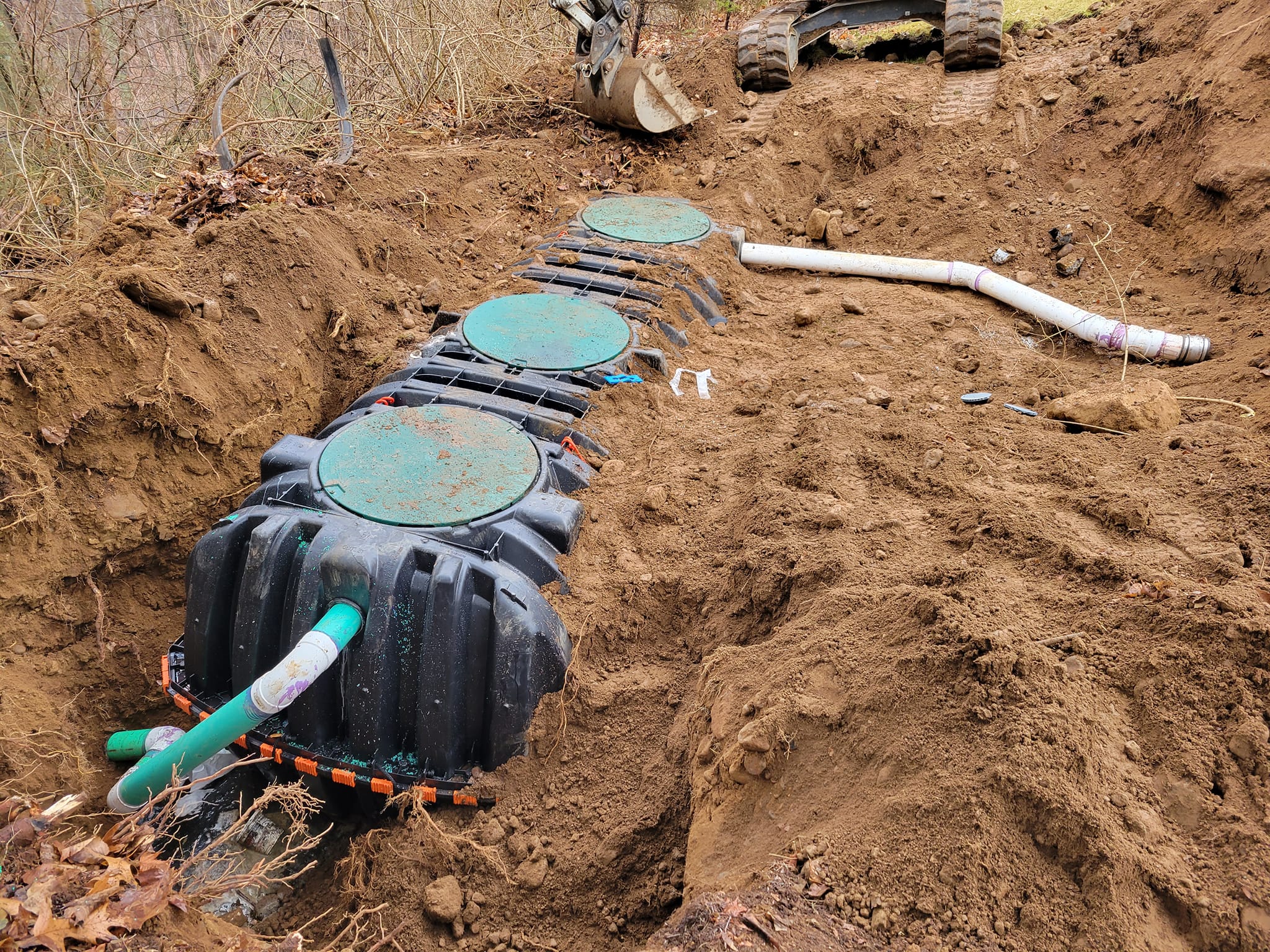
Mastering the Art of Septic System Troubleshooting: Tips and Tricks from Nick's Experts May 21, 2026
First, let’s identify some common symptoms of septic system troubles. Slow drains, gurgling sounds in the plumbing, sewage odor, and wet spots in the yard over the drain field are typical indicators. Recognizing these early can prevent more severe damage. The key is understanding what these signs might mean and how to address them efficiently.
One of the simplest yet often overlooked tips is to monitor your wastewater output. Every household has a septic tank capacity. Exceeding it with excessive water use can lead to backups or overflows. Spread out activities that require heavy water use, like laundry and running the dishwasher. This practice can alleviate pressure on your system, allowing your tank to treat and disperse wastewater effectively.
Another vital aspect of septic management is regular maintenance. The team at Nick's Septic and Excavation recommends regular inspections and pumping every 3 to 5 years, depending on your household size. Routine maintenance can prevent solids from building up to a dangerous level, which can block the outlet pipe and lead to a failure. Additionally, regular inspections can spot wear and tear, allowing you to address issues before they escalate.
Be cautious about what goes down your drains. Septic systems rely on the natural breakdown of organic material. Therefore, non-biodegradable items like wipes, diapers, and feminine hygiene products can pose severe risks. Similarly, avoid pouring fats, oils, and grease down the drain as they can solidify and cause blockages. Opt for septic-safe household products to prevent chemical disruptions in the tank’s bacterial environment.
For those noticing problematic signs, investigate further before assuming the worst. Check household plumbing fixtures to ensure they are not at fault. A clogged pipe can mimic septic tank issues. If all internal plumbing checks out, the problem could be with the septic system itself, such as a full septic tank or a compromised drain field.
Outdoor areas like drain fields require attention too. Ensure root invasion from nearby trees is not a problem, as roots can damage septic lines. Keep vehicles and heavy equipment off the drain field to prevent soil compaction, which can disrupt the proper functioning of the septic system. Landscaping with shallow-rooted plants can help avoid these issues while also aiding in water absorption.
After considering these troubleshooting tips, if the problem persists, it’s essential to call in professional help. Nick's Septic and Excavation offer expert assistance to diagnose and address any complex issues your system may have, ensuring your home remains safe and sanitary.
In conclusion, effective septic system troubleshooting is about understanding potential problems, engaging in proactive maintenance, and knowing when to seek professional help. By following these practical tips, you can prolong the life and efficiency of your septic system. Remember, a little preventive care goes a long way in avoiding unpleasant and expensive surprises. Let Nick’s team be your guide in mastering the art of septic system maintenance.
/filters:no_upscale()/filters:format(webp)/media/e491f599-15bf-420d-820c-7c0945153d7c.jpeg)
/filters:no_upscale()/filters:format(webp)/media/a4d2e976-c622-4855-a451-35191e78c30d.jpeg)