Proactive Septic Maintenance: Strategies for Year-Round System Health Jun 27, 2026
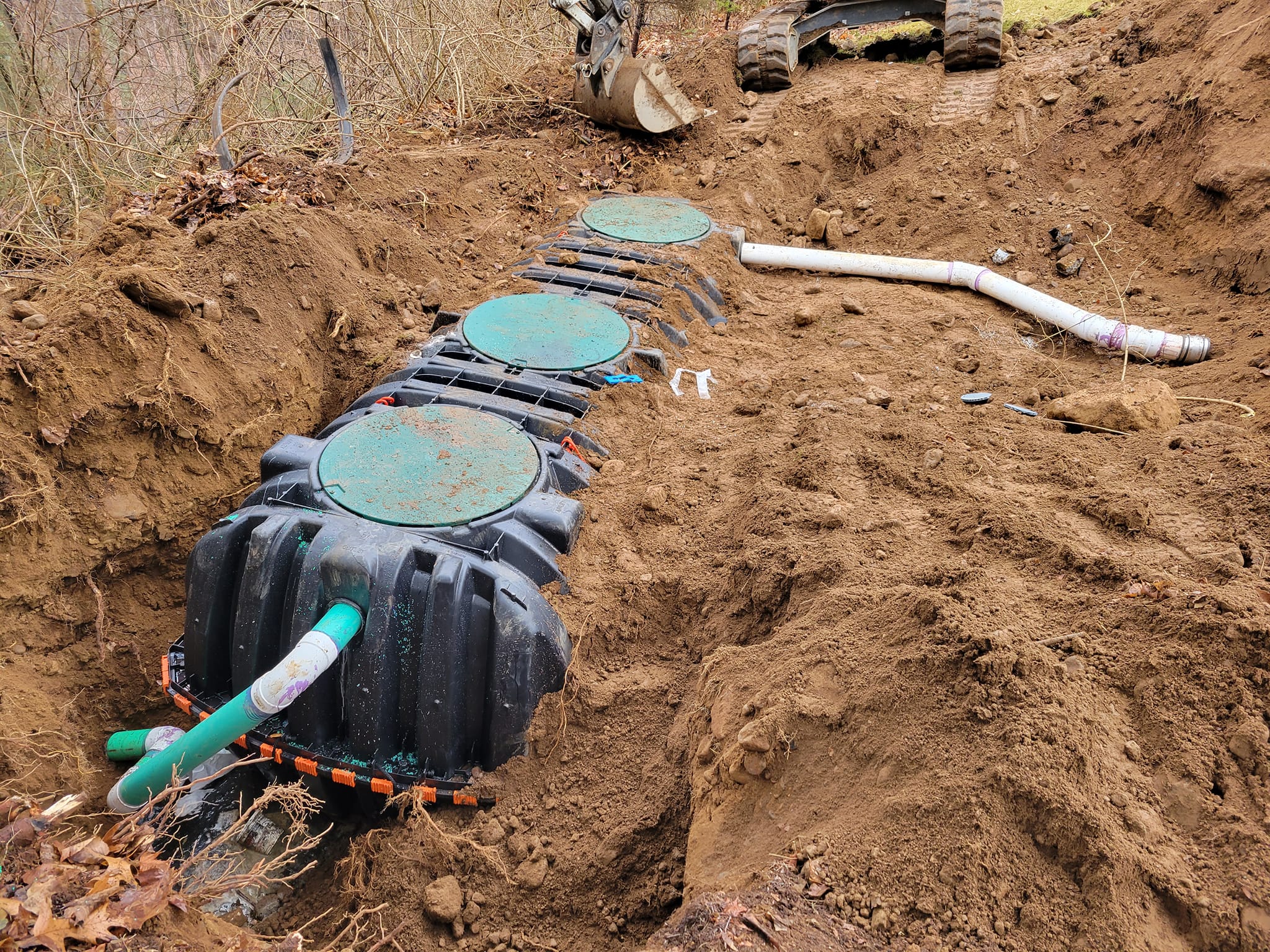
Understanding the fundamentals of your septic system is the first step toward effective maintenance. A septic system primarily consists of a septic tank and a drain field. Wastewater flows from the household into the septic tank where solids settle to the bottom, and liquids flow out into the drain field. When managed properly, this system processes waste efficiently without any issues.
Regular inspection and pumping are critical components of septic maintenance. The septic tank should be inspected at least every three years by a professional, while mechanical septic systems might require annual inspections. Pumping frequency depends on household size, tank size, total wastewater generated, and the volume of solids in the wastewater. Generally, tanks are pumped every three to five years. Nick's Septic And Excavation offers comprehensive inspection and pumping services to keep your system in optimal condition.
Water conservation is another essential strategy within proactive maintenance. Excessive water use can overload the system, leading to potential failures. Implementing water-saving fixtures such as low-flow toilets and showerheads can significantly reduce the amount of water entering your septic tank. Additionally, staggering the use of water-heavy appliances such as washing machines and dishwashers can help prevent overload.
Mindful flushing habits are also integral to septic health. Only flush septic-safe items, primarily waste and toilet paper. Other items, like diapers, wipes, and paper towels, can clog and disrupt the septic system. This practice extends to the kitchen, where grease, oil, and coffee grounds should never be disposed of via the sink.
Planting the right vegetation around your drain field can also play a role in maintaining your septic system. Grass and shallow-rooted plants help prevent erosion and promote water absorption. However, trees and shrubs with deep roots should be planted away, as their roots can infiltrate the septic system, leading to costly damage.
Regularly maintaining the drain field is equally important. Avoid parking or driving vehicles over the area to prevent soil compaction. Likewise, redirect rainwater drainage systems away from the drain field to prevent waterlogging. Keeping the drain field clear of heavy structures and planting can extend its lifespan.
Education and awareness among household members about septic system care can further bolster maintenance efforts. Ensure everyone knows what can and cannot enter the septic system, fostering a shared commitment to its care.
In conclusion, proactive septic maintenance is a collaboration between conscientious homeowners and professional services like Nick's Septic And Excavation. By implementing regular maintenance activities, conserving water, and practicing responsible usage, you can extend the lifespan of your septic system and avoid substantial repair costs. If you're unsure where to start or need expert advice, reach out to Nick's Septic And Excavation for a consultation. A well-maintained septic system is not just about functionality; it's about peace of mind and sustainable living.
/filters:no_upscale()/filters:format(webp)/media/e491f599-15bf-420d-820c-7c0945153d7c.jpeg)
/filters:no_upscale()/filters:format(webp)/media/a4d2e976-c622-4855-a451-35191e78c30d.jpeg)