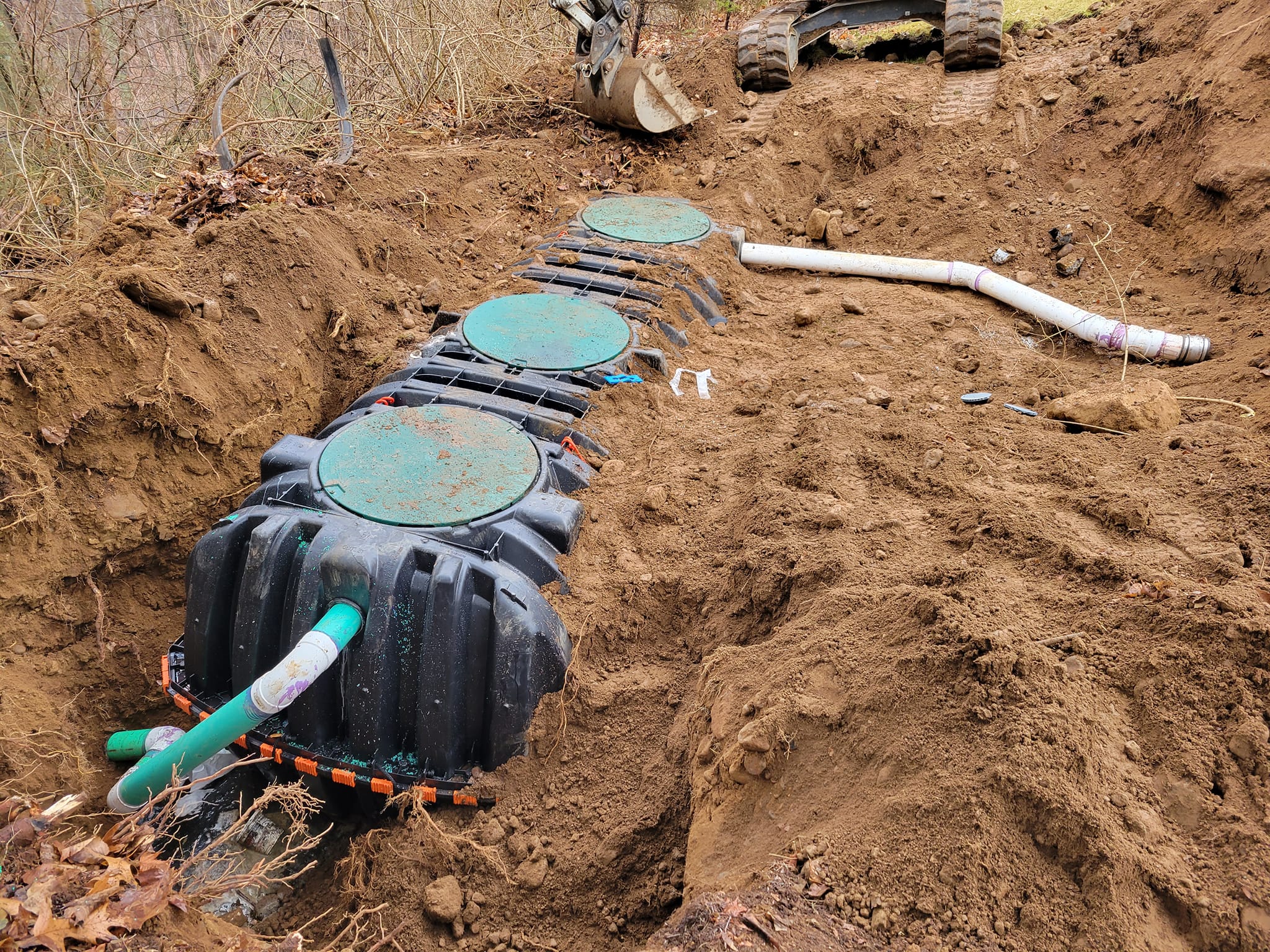
Septic System Design: Harnessing Innovations for Urban Environments Apr 13, 2026
When considering septic systems for urban areas, one of the primary factors is limited space. Urban environments often lack the vast stretches of land available in rural locations. Consequently, septic system design for cities must maximize efficiency while minimizing footprint. Advanced septic technologies, like high-efficiency media filters and aerobic treatment units, offer compact and high-performance solutions. These designs not only purify wastewater more thoroughly than traditional systems but also occupy less space, making them ideal for densely populated neighborhoods.
Another critical innovation in urban septic system design is real-time monitoring technology. With smart septic technologies, sensors are installed within the systems to provide constant feedback about waste levels, tank health, and system performance. This real-time data is invaluable in urban settings, as it allows for timely maintenance and adjustments, preventing overflow and ensuring the system operates at peak efficiency. For urban establishments, this translates into fewer disruptions and cleaner operations.
Design also plays a pivotal role in urban septic systems through the implementation of decentralized wastewater management strategies. Unlike centralized systems that rely on extensive sewer networks, decentralized systems break down the treatment process into smaller, localized segments. By utilizing several small-scale systems strategically placed across urban areas, decentralized treatment not only reduces the strain on existing sewer infrastructures but also offers more tailored solutions that can adapt to specific zone requirements.
Environmental sustainability, a growing concern in modern urban development, is another dimension where innovative septic design excels. Green technology, such as constructed wetlands and eco-friendly treatment processes, align perfectly with sustainable urban planning goals. These solutions naturally treat and recycle wastewater, enhancing urban biodiversity and reducing the carbon footprint of traditional sewage treatment methods. As cities aim to become more sustainable, integrating these green septic innovations emerges as an imperative.
Public acceptance and education cannot be overlooked when considering septic systems in urban environments. Nick’s Septic and Excavation advocates for extensive community engagement and education initiatives to raise awareness of the benefits and functionality of modern septic systems. By informing urban residents about how these systems efficiently manage wastewater, we foster greater acceptance and proactive involvement in achieving a cleaner, more sustainable urban living environment.
In conclusion, adapting septic system design to urban settings involves embracing innovation, sustainability, and education. From small-scale, high-efficiency treatment units to decentralized wastewater management, these systems provide pragmatic solutions to the growing challenges of urban wastewater treatment. At Nick's Septic and Excavation, we are committed to pioneering these advances, ensuring that our urban environments remain not only functional but thrive in harmony with the natural ecosystem.
As cities continue to evolve, integrating these innovative septic solutions is not just a necessity—it is a pathway to a more sustainable and efficient future. Whether you are a city planner, a business, or a resident, understanding and supporting the transition to modern septic systems will benefit the urban landscapes we call home.
/filters:no_upscale()/filters:format(webp)/media/e491f599-15bf-420d-820c-7c0945153d7c.jpeg)
/filters:no_upscale()/filters:format(webp)/media/a4d2e976-c622-4855-a451-35191e78c30d.jpeg)