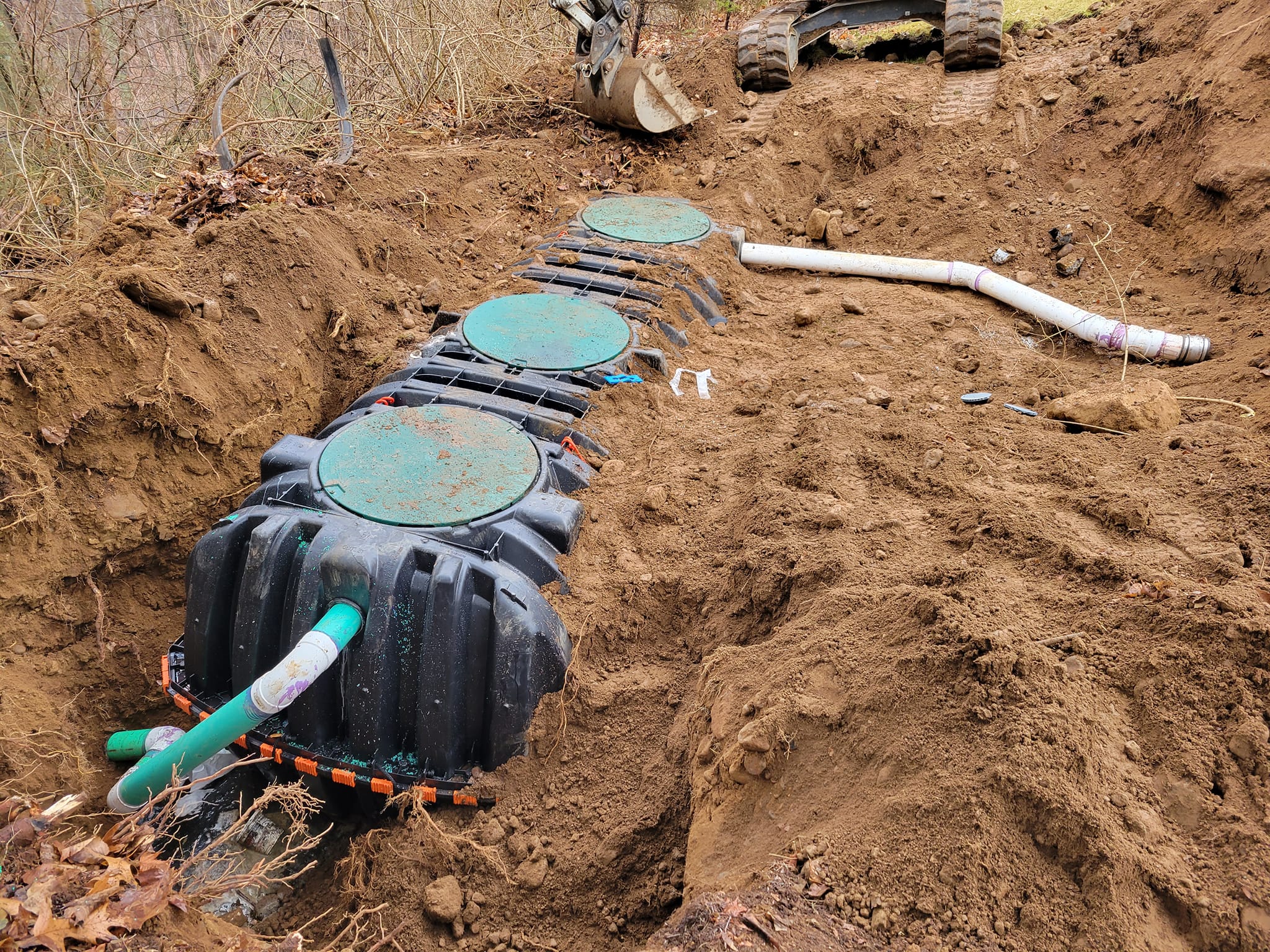
Understanding Septic System Drain Fields: Design, Function, and Maintenance Dec 03, 2025
A septic system's drain field, also known as a leach field, disperses the wastewater, or effluent, from the septic tank into the soil. This allows for natural filtration and bacteria breakdown before the effluent reaches the groundwater. The design of a drain field involves careful consideration of several factors, including soil type, size, slope, and climate. Typically, the field consists of a series of trenches filled with gravel or rock and perforated pipes that distribute the effluent evenly.
The size and design of your drain field are crucial. If a system is undersized or improperly installed, it can lead to system failure. An appropriate size not only depends on property size and household water usage but also on the soil's percolation rate. This is the rate at which soil absorbs liquid—a slower rate requires a larger drain field. Professional evaluation and design, such as the services offered by Nick's Septic And Excavation, are essential to ensure your system’s effectiveness.
Understanding how a drain field functions will aid in better maintenance and troubleshooting. Once wastewater exits the septic tank, it enters the drain field where the real magic occurs. The effluent filters through the gravel and soil, where bacteria treat and purify the water. This natural process prevents pollution and contamination of groundwater, making the drain field a vital environmental safeguard.
Maintenance of your drain field is not just about extending its lifespan but also about preventing costly repairs and environmental issues. Regular pumping of the septic tank is perhaps the most fundamental maintenance requirement, typically every 3 to 5 years, depending on household size and tank capacity. This routine prevents overflow and ensures only liquid effluent enters the drain field, which is crucial because solids in the field can cause blockages and system failures.
Avoid excessive water usage and repair leaks promptly; an overloaded system can lead to premature system failure. Be cautious with what goes down your drains—limit chemicals, oils, and non-biodegradable items that can harm the beneficial bacteria in your system. It's wise to keep vehicles and heavy equipment off your drain field to prevent compaction of the soil and potential pipe damage.
Regular inspection is vital. Look for signs of trouble, such as lingering odors, lush plant growth over the drain field, or soggy patches, which indicate potential system failure. Engaging a septic professional for routine check-ups can save you from more significant problems down the road.
In conclusion, understanding the design, function, and maintenance of your septic system's drain field is essential for its efficient operation and longevity. By implementing these measures and relying on expertise from service providers like Nick's Septic And Excavation, you can maintain a healthy system that protects both your property and the environment. Remember, your septic system is a living system that requires a balance of care and professional attention to continue serving your household effectively.
/filters:no_upscale()/filters:format(webp)/media/e491f599-15bf-420d-820c-7c0945153d7c.jpeg)
/filters:no_upscale()/filters:format(webp)/media/a4d2e976-c622-4855-a451-35191e78c30d.jpeg)